


Repairs
Performed by Your Authorized Dealer Partner
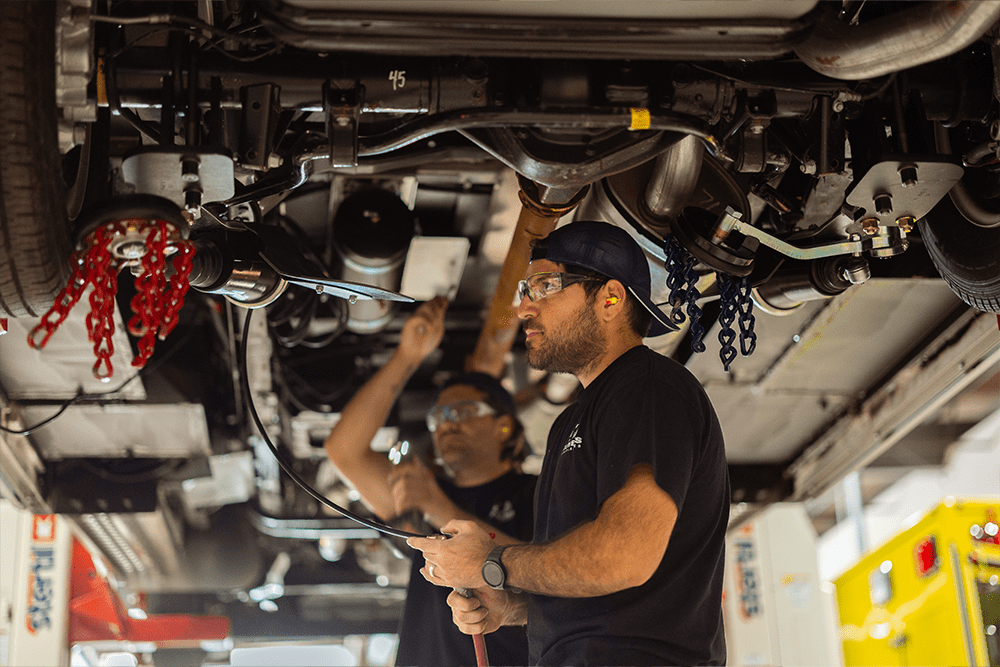
Ambulances operate in demanding, stop-and-go emergency environments, placing greater stress on internal systems than standard vehicles. As a result, ambulance repair requires specialized knowledge and experience. Repairs often involve critical electrical, safety, environmental, and structural systems that must function reliably together during emergency responses.
To support these repair needs, we provide local service through a nationwide network of authorized dealer partners. These partners are trained directly on our ambulances and work closely with our Customer Care and technical teams to ensure repairs are completed correctly, safely, and in accordance with the ambulance’s original engineering.
PROPER AMBULANCE REPAIR THROUGH AUTHORIZED PARTNERS
Authorized dealer partners provide a level of ambulance repair support that general repair facilities cannot match. They are trained specifically on Demers ambulance systems and configurations and follow OEM-approved repair procedures designed to restore vehicles to their intended performance and safety standards.
- Specialized expertise on Demers ambulance systems, layouts, and configurations
- OEM-aligned repairs using approved parts and documented repair procedures
- Direct access to Demers technical support, service documentation, and build records
- Geographic proximity that helps reduce downtime and keeps units closer to service
- Continuity of support as fleets grow, change, or age
- Maintained eligibility for applicable warranty coverage and factory-backed support
This combination of specialized knowledge, approved repair methods, and local access helps ensure ambulance repairs are completed accurately, efficiently, and in a way that protects long-term support over the life of the vehicle.
What to Know About Ambulance Repair
These frequently asked questions address how ambulance repairs are handled, why authorized dealer partners matter, and how proper repairs support safety, uptime, long-term reliability, and performance.
What types of repairs are most common over the life of an ambulance?
Over the service life of an ambulance, repairs most often involve systems and components that are in constant use in demanding, stop-and-go emergency environments. Common ambulance repairs include electrical system issues, interior component wear, door and hardware failures, HVAC and environmental system performance, structural or module repairs caused by vibration or daily use, and suspension or ride-related concerns that affect stability and patient comfort.
Because ambulances operate continuously under high load and in emergency conditions, wear typically occurs more quickly than in non-emergency vehicles.
Why should ambulance repairs be performed by authorized dealer partners?
Ambulance repairs should be performed by authorized dealer partners, who are trained specifically on our ambulance systems, layouts, and repair requirements. Authorized partners understand how the vehicle was engineered, follow OEM-approved repair procedures, and have direct access to our technical documentation and support.
Using non-authorized repair providers can put system integrity at risk and may void applicable warranty coverage if repairs are not performed according to OEM standards. Authorized dealer partners help protect your warranty, maintain safety certifications, and ensure repairs are completed the first time correctly without guesswork, shortcuts, or trial-and-error that can increase risk or downtime.
How do ambulance repairs differ from routine preventive maintenance?
Preventive maintenance focuses on inspections and scheduled service, such as fluid refills, filter replacements, and routine checks. Ambulance repair, by contrast, addresses component failure or damage and restores systems to their original performance and safety standards.
Ambulance repairs often require specialized diagnostics, OEM-approved replacement parts, and an understanding of how multiple vehicle systems interact under emergency operating conditions. This level of work requires deeper ambulance-specific expertise beyond routine maintenance.
What risks are associated with improper or non-specialized ambulance repairs?
Improper or non-specialized ambulance repairs can create serious safety and reliability risks, including electrical faults or system failures, loose cabinetry or unsafe interior components, compromised restraint systems, reduced crashworthiness and structural integrity, and increased downtime due to repeat failures.
Repairs that are not performed according to OEM-approved procedures may also void applicable warranty coverage, leaving your service responsible for future repair costs that would otherwise be covered. Beyond financial impact, these risks directly affect crew safety, patient care, and confidence in the vehicle, especially during emergency responses.
How do authorized dealer partners ensure the correct parts and repair procedures are used?
Our authorized dealer partners follow a structured, vehicle-specific repair process. They verify each ambulance configuration using VIN and build records, use OEM-approved parts for the correct model and year, follow our repair procedures and technical bulletins, and communicate directly with our Customer Care team when clarification or guidance is needed.
This approach ensures ambulance repairs remain aligned with the vehicle’s original engineering and safety intent.
When should you schedule an ambulance repair rather than continue operating the vehicle?
A department should schedule a service appointment for repair whenever safety, reliability, or system performance is compromised. Common indicators include warning lights or electrical issues, malfunctioning doors, steps, or restraints, unusual noises, vibrations, or odors, and loose or damaged interior components.
Continuing to operate an ambulance with unresolved issues increases safety risk and can lead to more extensive damage over time.
How do authorized ambulance repairs help protect warranties and long-term support?
Repairs performed by authorized dealer partners follow OEM-approved methods, use approved parts, and maintain eligibility for warranty coverage and factory-backed support from Demers Ambulances.
This protects departments not only during the immediate repair, but throughout the long-term service life of the ambulance.
What should departments remember when it comes to ambulance repair?
When it comes to ambulance repair, always start with your Demers authorized dealer partner. Authorized repairs help protect crew and patient safety, preserve vehicle uptime and reliability, and maintain the long-term performance built into every Demers ambulance.